Every year, someone claims SEO is dead. Every year, they’re wrong.
What’s actually changing isn’t SEO itself, it’s where people search.
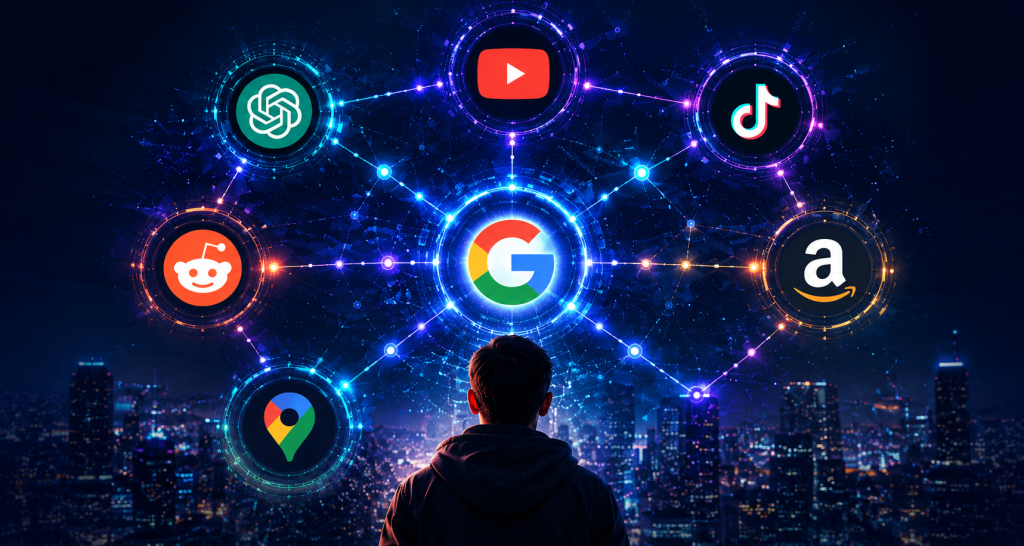
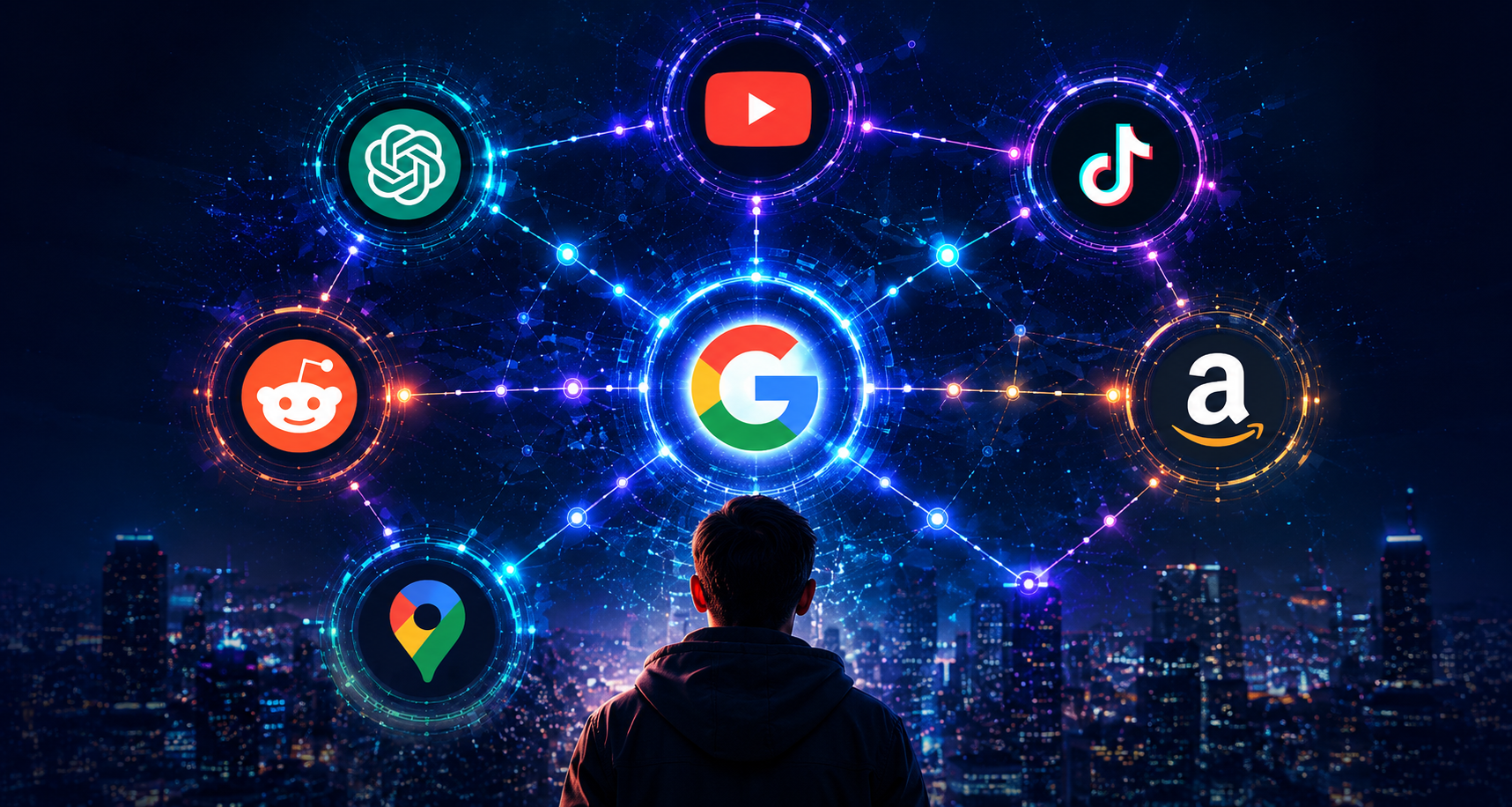
Google remains hugely important, but it’s no longer the only place customers discover businesses. Today, people search on ChatGPT, YouTube, TikTok, Reddit, Amazon and Google Maps, each serving different needs and audiences.
This shift isn’t only changing SEO. Growing competition from AI platforms may also be influencing how Google approaches its advertising products, with advertisers beginning to see greater transparency and control within Performance Max.
After more than 17 years working in search marketing, one thing has become obvious: businesses often adapt to new platforms far more slowly than their customers do.
Search Has Changed
For years, SEO meant one thing: ranking on Google. Today, search is spread across multiple platforms, each with its own algorithms and user behavior.
People use:
- Google to research and compare.
- ChatGPT and AI assistants for quick answers.
- YouTube for tutorials and reviews.
- TikTok and Instagram for inspiration and discovery.
- Amazon to find products.
- Google Maps to find local businesses.
- Reddit for honest opinions from real users.
The question is no longer “How do I rank on Google?”
It’s “Where does my audience begin their search?”
Google Isn’t the Same Either
Google itself has changed dramatically.
AI Overviews, featured snippets, People Also Ask and local map results often answer a user’s question before they ever visit a website.
That means simply ranking well isn’t enough.
Your content needs to be clear, useful and structured in a way that both people and search engines can easily understand.
Stop Writing for Search Engines
Keyword stuffing stopped working years ago. Modern search algorithms reward helpful, people-first content rather than pages written purely to target keywords.
Instead of asking how many times a keyword should appear, ask whether your content answers the user’s question better than your competitors.
Original insights, practical advice and real experience consistently outperform generic articles written for algorithms.
AI Has Changed Content Strategy
Millions of people now start their research with AI tools like ChatGPT, Gemini and Claude.
These platforms don’t rank websites, they generate answers using trusted, well-structured information from across the web.
While no one can guarantee their content will appear in AI-generated responses, businesses improve their chances by creating AI-friendly content that is:
- Well organised
- Easy to understand
- Based on genuine expertise
- Focused on answering specific questions
As AI becomes more influential, trust and authority matter more than ever.
Search Happens Everywhere
A successful SEO strategy now extends beyond your website.
Google Maps
For local businesses, Google Maps can generate more enquiries than traditional organic rankings. Google Business Profile optimization, collecting reviews and keeping business information up to date are essential parts of local SEO.
YouTube
YouTube remains one of the world’s largest search engines. Educational videos, product demonstrations and tutorials help businesses build trust while reaching customers who prefer watching over reading.
Social Media
TikTok and Instagram have become powerful search platforms, particularly for younger audiences. Search-friendly captions, spoken keywords and relevant hashtags all improve discoverability.
Many people now look for genuine recommendations on Reddit before making purchasing decisions. Businesses that contribute helpful, authentic advice can build credibility that traditional advertising simply can’t match.
What Modern SEO Looks Like
A strong search strategy today combines multiple channels rather than relying on Google alone.
That means investing in:
- Helpful website content
- Google Business Profile optimisation
- AI-friendly content structure
- Video content
- Social media visibility
- Paid search campaigns where appropriate
The goal isn’t to dominate one platform. It’s to be visible wherever your customers are searching.
Final Thoughts
SEO isn’t dead. It’s simply evolved.
Customers now discover businesses through search engines, AI assistants, social platforms, video content and local listings.
The businesses succeeding in 2026 are those building visibility across all of these channels, not just chasing Google rankings.
At SEMTEK, that’s exactly how we approach digital marketing: combining SEO, Google Maps, Paid Search and AI-ready content to help businesses appear wherever their customers begin their search.
Need help improving your online visibility?
Whether you’re looking to improve your Google rankings, generate more leads through Google Ads or prepare your website for AI-powered search, SEMTEK can help.